
The hidden psychology behind why we gamble exploring the mind's lure
The thrill of risk-taking
The psychology of gambling is deeply rooted in the thrill that comes from taking risks. Many individuals are drawn to the uncertainty and excitement that accompanies placing a bet. This risk-taking behavior is often linked to the dopamine release in the brain, which creates a feeling of pleasure and reward. When players experience the highs of winning, it reinforces the desire to keep gambling, perpetuating a cycle that can be difficult to break. For those interested in diving deeper into this world, visit https://space9aucasino.com/ for a wealth of gaming options.
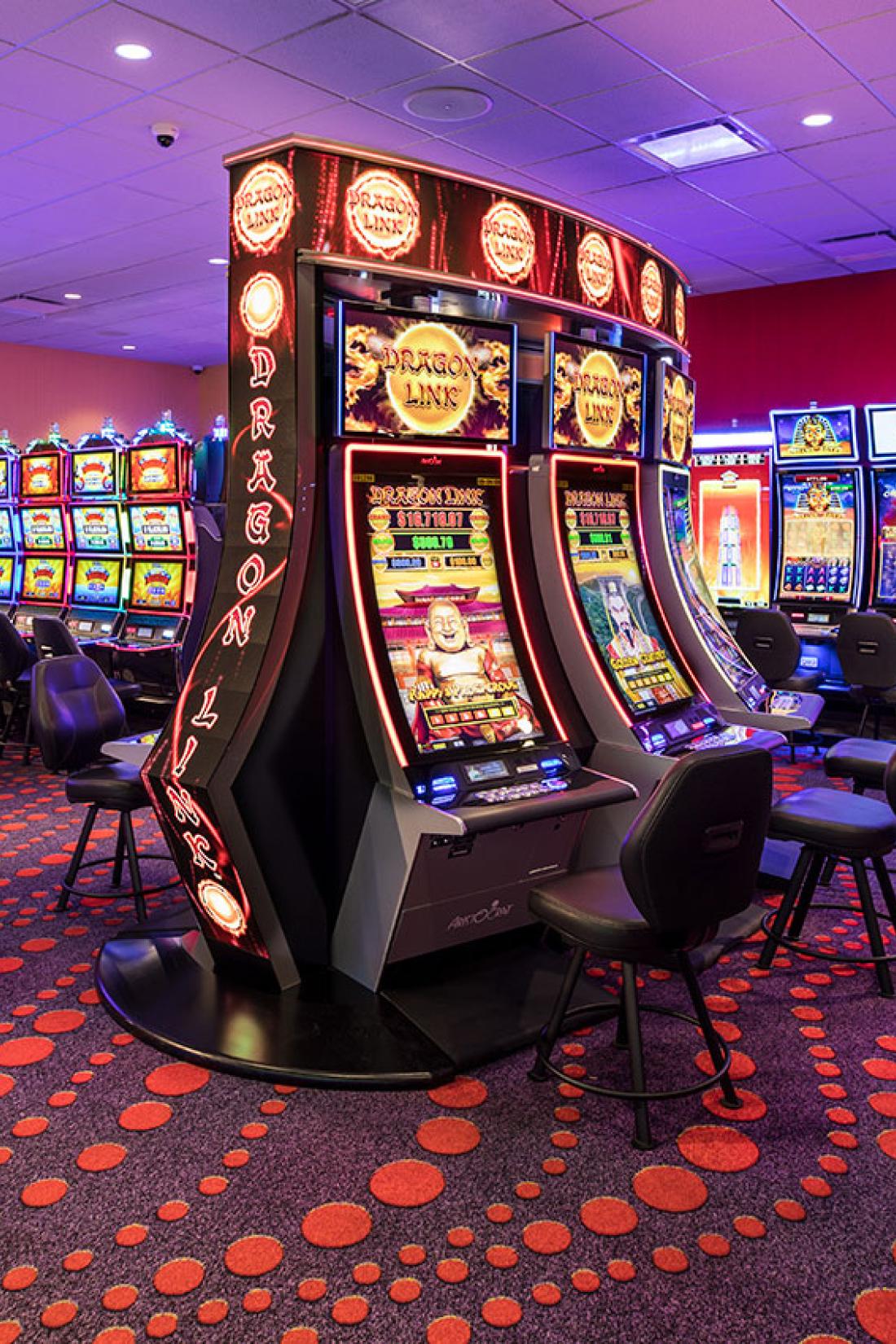
Moreover, this thrill is amplified in environments designed to enhance excitement, such as casinos and online gaming platforms. The bright lights, enticing sounds, and immediate feedback all work together to heighten emotions, making players more likely to chase that next big win. Understanding this psychological aspect reveals why many find themselves returning to gamble despite potential negative consequences.
The allure of escape
For many, gambling serves as a form of escapism from daily stressors. The immersive nature of games provides a temporary reprieve from life’s challenges, allowing individuals to forget their worries and indulge in fantasy. This desire to escape can be particularly strong during tough times, leading people to seek comfort in the thrill of gaming.
This psychological tendency can develop into a coping mechanism, where individuals use gambling to manage stress or emotional pain. This dynamic underscores the importance of recognizing gambling as not just a pastime but as a potential refuge, which can ultimately lead to problematic behaviors if not monitored carefully.
The power of near misses
The concept of ‘near misses’ is a fascinating psychological factor that contributes to the gambling experience. When players almost win, the brain reacts similarly to actual victories, sparking feelings of hope and excitement. This phenomenon encourages players to continue gambling, believing that they are close to hitting it big, which often leads to further betting.
Near misses can create a false sense of skill and control, pushing players to rationalize their losses and continue chasing elusive wins. This psychological trap can make gambling highly addictive, as the player remains convinced that their next bet could yield success, further entrenching them in the cycle of gambling.
The social aspect of gambling
Gambling often serves as a social activity, allowing individuals to connect with others who share similar interests. This social aspect can enhance the overall experience, making players feel part of a community. The interactions, whether in-person at a casino or online through gaming platforms, can be rewarding and reinforce the desire to gamble.
Moreover, the influence of social circles can significantly impact gambling behavior. Friends and family who gamble may normalize the activity, further enticing individuals to join in. This sense of belonging can create a strong motivation to participate, blending social interactions with the psychological rewards of gambling.
Space9 Casino: The ultimate gaming destination
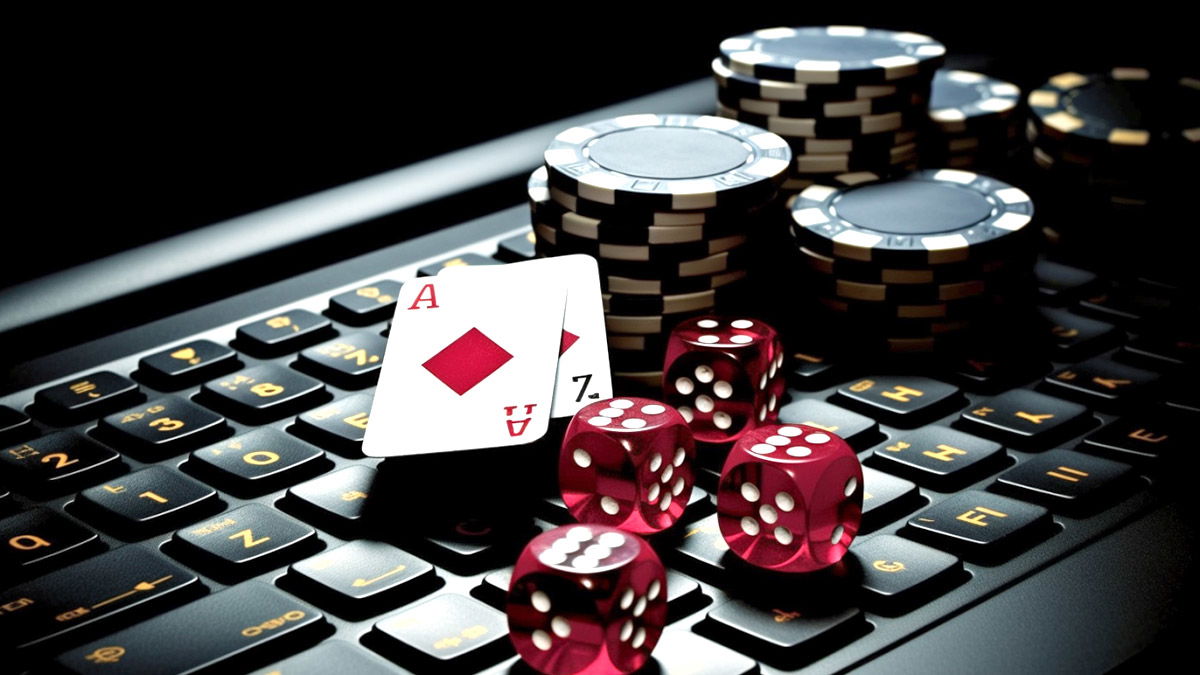
Space9 Casino stands out as a premier online gaming destination that caters to a diverse range of players. With an extensive selection of licensed games, including pokies, table games, and live dealer experiences, it offers endless entertainment tailored for Australian players. The platform is designed for ease of use, ensuring a seamless gaming experience with quick loading speeds and fast cash-out times.
With a generous welcome package and a commitment to player satisfaction, Space9 Casino is an ideal choice for those looking to explore the world of online gambling. By understanding the psychology behind gambling, players can make informed decisions while enjoying the thrill and excitement that Space9 Casino has to offer.